A message slid into my inbox earlier this week that made me stop, lean back from my desk, and just smile.
An acquaintance reached out with a beautifully ambitious question: “If I wanted to disappear to Kenya for an entire month just to completely immerse myself in a different rhythm of life, where should I even start?” [Paraphrased]
My mind instantly went into curation mode. But as we exchanged messages, it hit me how rare this kind of inquiry is. Most of the time, when people think of Kenya, they view it as a monolith. A single line item on a bucket list. You book the flight, you see the lions, you take the photos, and you fly home.
But that conversation reminded me of a deeper truth that we build into every experience we design: Kenya is not just one destination. It is three or four entirely different worlds stitched together by a single border.
You don’t actually need a full month to experience this depth, though it is a beautiful luxury if you have it. What you need is an approach to travel that values chapters over checklists.
If you were to open the book on Kenya, these are the distinct worlds you would find inside.
Chapter One: The Cosmopolitan Pulse
Most travelers treat Nairobi as a necessary logistical pitstop, a place to shake off jet lag for twelve hours before rushing out to the airstrip. That is a missed opportunity.
Nairobi is a sophisticated, high-energy urban capital with a rhythm all on its own. It is a city where contemporary art galleries, private dining experiences, and a thriving fashion subculture sit right alongside a national park where giraffes roam against a backdrop of skyscrapers.
When we design time here, it’s about tapping into that modern African energy. It’s an afternoon spent discovering local designers, a late-night reservation at a restaurant pushing the boundaries of culinary fusion, and a quiet morning watching the mist rise over the Ngong Hills. It is urban, it is chic, and it sets the stage for the contrast that lies ahead.

Chapter Two: The Timeless Wild
From the city, the landscape fractures and opens up into something vast and humbling. This is the Kenya most people recognize, but few truly feel until they are standing in it. The Maasai Mara and the private conservancies of Laikipia.
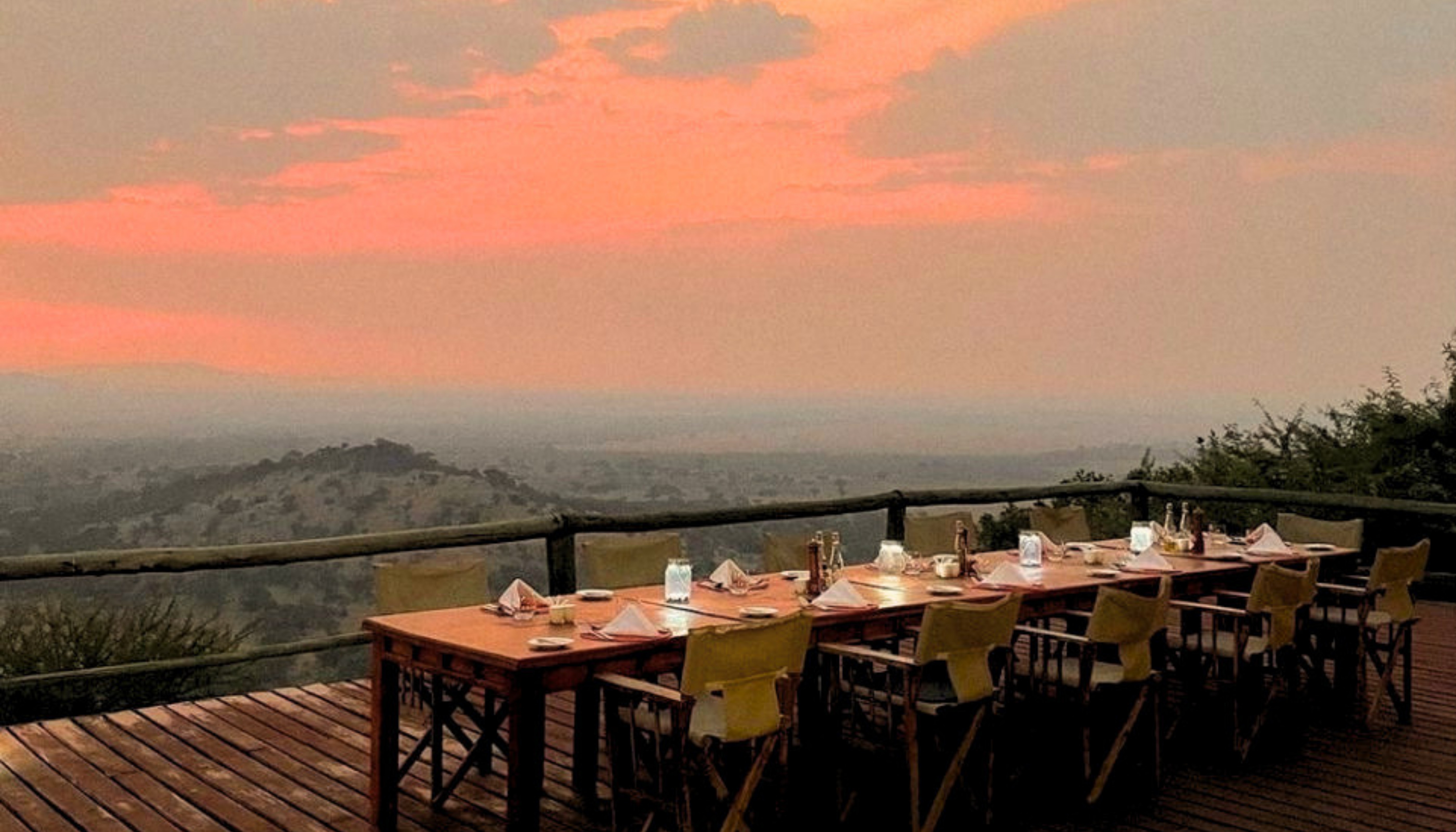
Here, luxury isn't about gold-plated fixtures; it is about space, stillness, and access. It’s the luxury of staying in an intimate boutique camp where there are no crowds of mini-buses — just you, your guide, and an uninterrupted horizon.
The rhythm here resets your internal clock. You wake up at 5:00 AM to the crisp morning air and the smell of fresh coffee brewed over an open fire. You spend the day tracking wildlife, but the real magic happens in the spaces between: the midday sundowner in the middle of nowhere, the deep silence of the savannah at dusk, and the evening spent sharing stories around a crackling campfire. It is raw, intentional, and deeply grounding.

Chapter Three: The Swahili Soul
This is the chapter that catches most people by surprise. After the red dirt and crisp mornings of the safari, you fly toward the coast and step out into an entirely different climate, culture, and era.
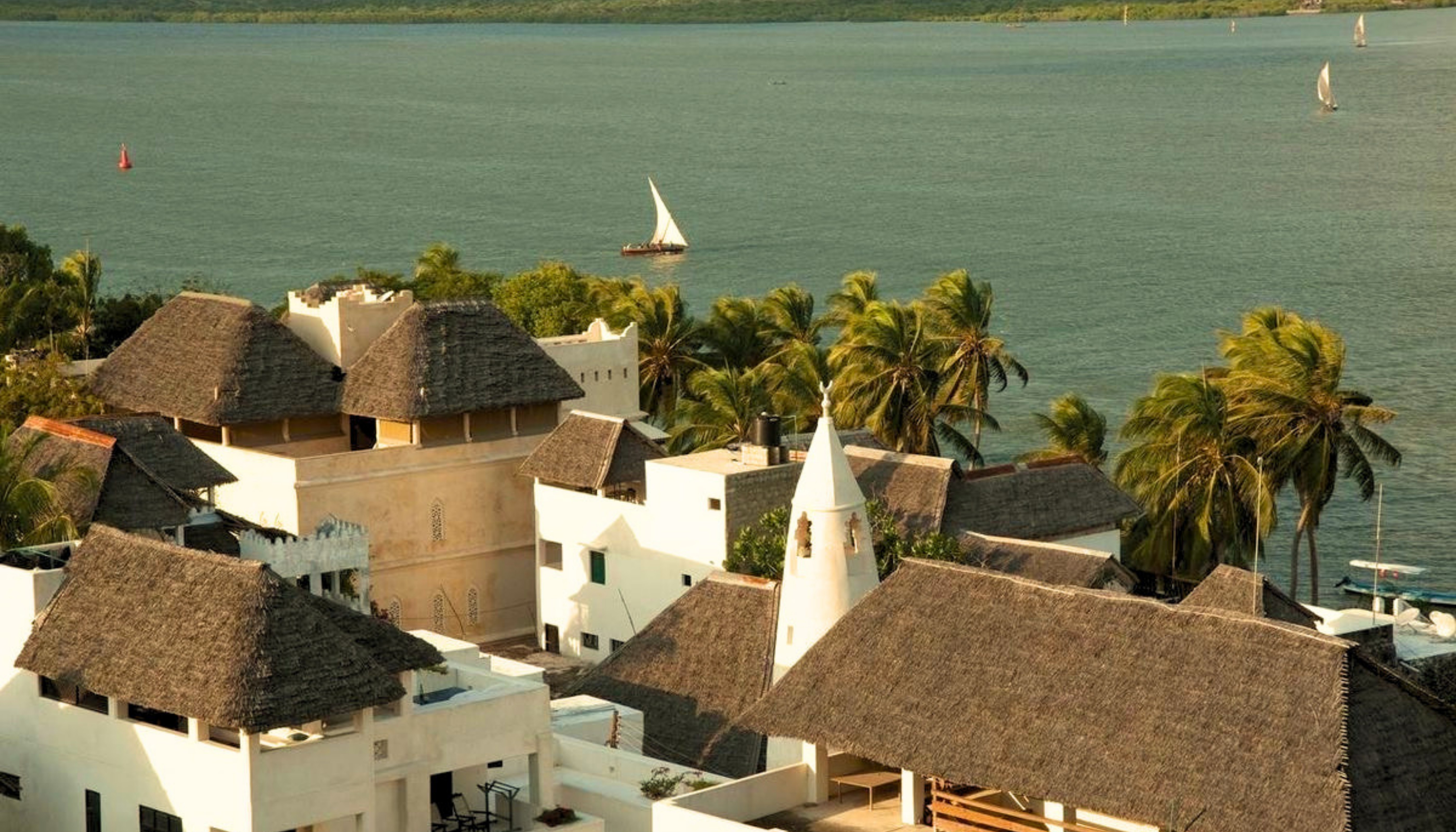
Kenya’s coastline — places like the pristine white sands of Diani or the ancient, vehicle-free alleyways of Lamu Island is steeped in centuries of Swahili history.
In Lamu, the rhythm is dictated entirely by the tides and the gentle movement of dhow boats. The architecture is a beautiful blend of Arabic, Persian, and traditional African design, with hand-carved wooden doors and cool coral-stone walls. It is a world of slow mornings, fresh seafood caught hours before it hits your plate, and the gentle rustle of palm trees. It is the ultimate space for decompression.