Easter often arrives quietly on the calendar, but in the travel world, it’s one of those periods that fills up faster than many people expect.
For some travelers, it’s the perfect opportunity to take advantage of the long weekend. For others, it becomes a chance to take that short international trip they’ve been postponing, finally.
But Easter travel differs from regular travel periods because destinations, flight availability, and hotel options tend to fill up quickly.
If you’re thinking about traveling around Easter, here are a few things worth knowing before you start planning.
Easter Travel Windows Are Short but Busy
Unlike summer holidays that stretch across several weeks, Easter travel usually happens within a very narrow window.
Most travelers are trying to leave within the same few days and return shortly after the weekend. Because of that, flights and hotels can fill faster than expected.
This doesn’t mean travel becomes impossible, but it does mean timing matters more than usual.
Travelers who start planning earlier usually have more flexibility with flights and accommodation options.
Some Destinations Work Better for Short Trips
Because Easter trips are often shorter, the destination you choose becomes especially important.
Places that require long travel times or complicated visa processes might not fit comfortably into a short window.
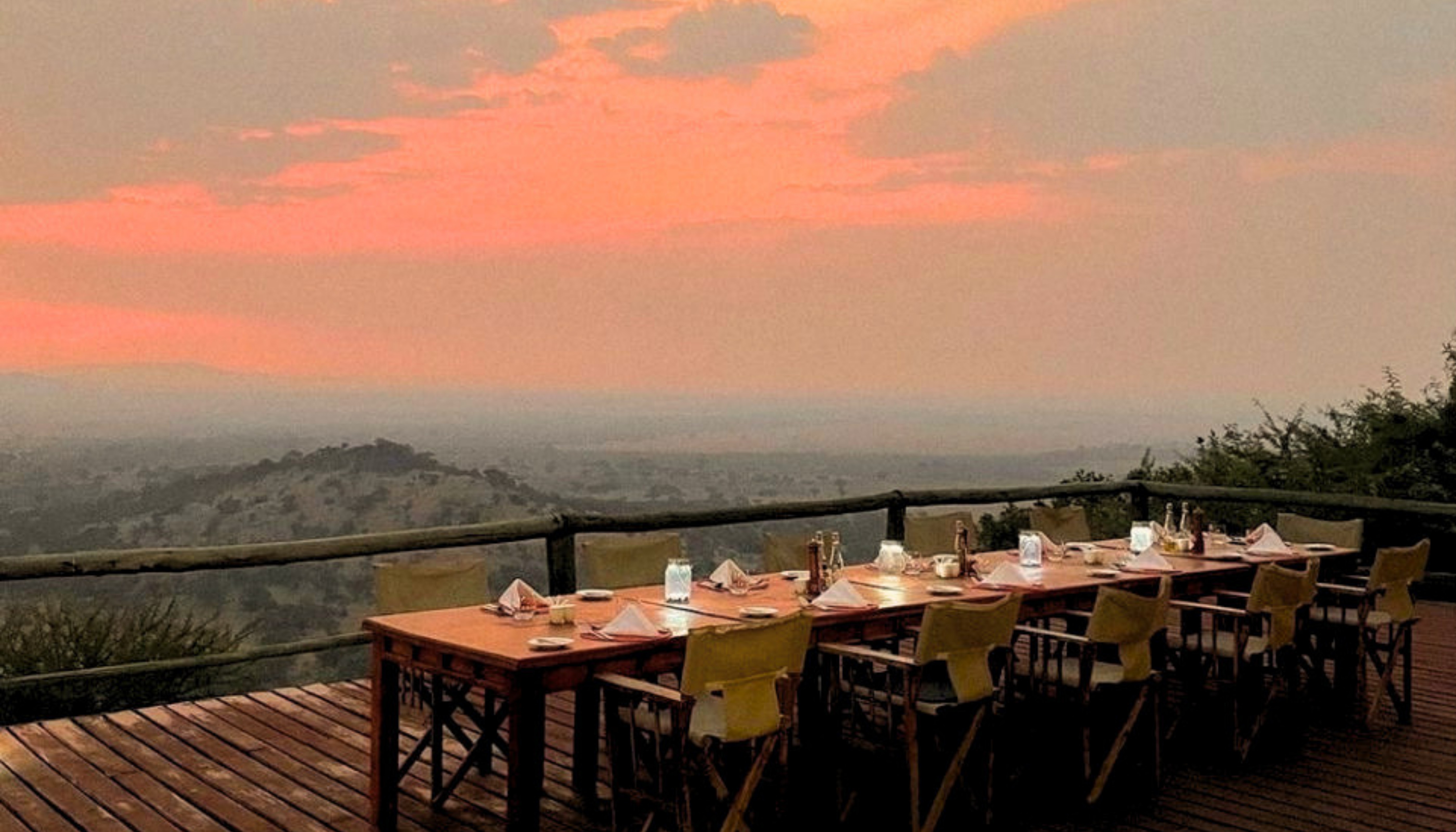
Destinations that tend to work well for Easter travel are those that offer strong experiences within a few days: beach destinations, culturally rich cities, or safari-style adventures.
The goal is to spend more time experiencing the destination, not just getting there.

Hotel Choices Can Make or Break Short Trips
When a trip is only a few days long, your hotel plays a bigger role in the overall experience.
A well-located hotel can save hours of travel time and make exploring easier. On the other hand, a poorly located one can quickly eat into the limited time you have.
For shorter trips, travelers often benefit from choosing hotels that combine good location, comfort, and access to experiences.

4. Planning Earlier Reduces Stress
One of the biggest differences between rushed travel and smooth travel is simple: time.
When planning begins early, travelers have the freedom to compare options, select better flights, and design experiences more thoughtfully.
When planning starts late, decisions are often made quickly with fewer choices available.
Travel should feel exciting, not pressured.